
Yes, they connect to any LoRaWAN or MQTT infrastructure (Kerlink, Cisco, Milesight, MultiTech, etc.) for flexible integration with existing SCADA systems.
Pipeline Filter / Strainer Differential Pressure Monitoring
Progressive restriction tracking and optimized cleaning cycles
Differential Pressure (ΔP)
Quick Overview
| Problem | Filters and strainers gradually accumulate debris, increasing flow resistance, but clogging is not always continuously monitored. |
| Solution | SENSAiO differential pressure sensors measure pressure drop across filters to track fouling over time. |
| Value | Improved visibility on filter condition, supporting timely maintenance and avoiding unexpected flow restrictions. |
| ATEX | Suitable for hazardous environments (Zone 1–2), compliant with ATEX / IECEx requirements. |
The Operational Challenge
Filters and strainers are used in pipelines and process systems to remove solid particles from fluids.
As fluid passes through the filter element, particles accumulate and progressively restrict the flow path.
This physical process results in:
- Increased resistance to flow
- Progressive increase in pressure drop across the filter
- Reduced flow efficiency if clogging becomes significant
If not monitored, excessive clogging may lead to:
- Reduced downstream flow or pressure
- Increased load on upstream pumps
- Potential bypass events if differential pressure becomes too high
- Operational interruptions for unplanned maintenance
In many installations, filter condition is assessed:
- During periodic inspections
- After observing performance degradation
- Using local gauges without remote monitoring
This limits the ability to detect gradual fouling trends.
Why Differential Pressure Monitoring Matters
Differential pressure (ΔP) across a filter is a direct indicator of flow resistance.
It is defined as the difference between upstream and downstream pressure.
Continuous ΔP monitoring enables:
- Tracking of gradual increase in pressure drop due to particle accumulation
- Identification of abnormal increases that may indicate rapid clogging
- Verification of filter performance after cleaning or replacement
Typical interpretations include:
- A steady increase in ΔP may indicate normal fouling over time
- A rapid increase may suggest abnormal contamination or process upset
- A sudden decrease after maintenance confirms restoration of flow conditions
ΔP trends provide a clear, physical representation of filter condition.
SENSAiO Solution
SENSAiO deploys wireless differential pressure monitoring using:
- Two pressure sensors (upstream and downstream), or
- A dedicated differential pressure sensor depending on configuration
-
Sensors continuously measure pressure and transmit data via LoRaWAN to a centralized platform.
The system provides:
- Continuous ΔP monitoring
- Historical trends to track fouling progression
- Alerts when ΔP exceeds predefined thresholds
It is important to clarify that:
- SENSAiO is a monitoring-only system
- It does not control flow or initiate filter cleaning
- It does not automatically diagnose clogging causes
- It does not replace process control systems
The system supports maintenance planning and operational awareness.
Results and ROI
ATEX Compliance and Safety
Filters and strainers in hydrocarbon systems are often located in hazardous areas. SENSAiO sensors:

- Are available with ATEX / IECEx certification for Zone 1–2
- Are suitable for installation on process piping
- Are designed for industrial environments
All equipment is provided with certification documentation.
SENSAiO systems are not safety systems and do not replace protective devices such as pressure relief systems or bypass mechanisms.
Integration and compatibility
| Protocols | LoRaWAN, MQTT, REST API |
| Gateways | Compatible with standard LoRaWAN gateways (Kerlink, Multitech, Cisco, etc.) |
| Systems | Integration with SCADA and maintenance management systems |
| Deployment | Suitable for retrofit on existing filters or integration into new installations |
FAQ - Common Questions
Are Sensa.io sensors compatible with any gateway or network?
What ATEX certifications apply to Sensa.io devices?
All hazardous-area models are certified Ex II 2 G Ex ia IIC T4 Gb and IECEx approved for Zones 0–2.
What is the typical battery life?
Up to 10 years at 15-minute intervals, depending on signal strength and environment.
How are the sensors integrated into existing systems?
Through standard protocols — LoRaWAN, Modbus, MQTT, REST API — no proprietary middleware needed.
How does predictive maintenance reduce OPEX?
Early anomaly detection reduces emergency interventions by 30–40 %, extends equipment life and lowers energy costs.
What does the Sensa.io Valve Position Sensor actually measure?
The device detects real-time valve position states—open, closed, or intermediate—with high accuracy. It continuously sends this information wirelessly to your monitoring dashboard.
Can this sensor detect partial valve movement or stuck valves?
Yes. The sensor identifies irregular patterns such as partial movement, delayed response, or stuck valves, enabling early maintenance before failure occurs.
Is this sensor suitable for manual, motorized, and actuated valves?
Yes. It supports a wide range of valve types including ball, gate, butterfly, actuator-driven, and manual valves.
How fast does it update the valve position?
You can configure the reporting interval—from seconds to minutes—depending on your operational and battery needs.
How long does installation take?
Most installations take under 10 minutes. The sensor mounts using brackets or clamps without modifying existing valves.
Explore Our Sensors
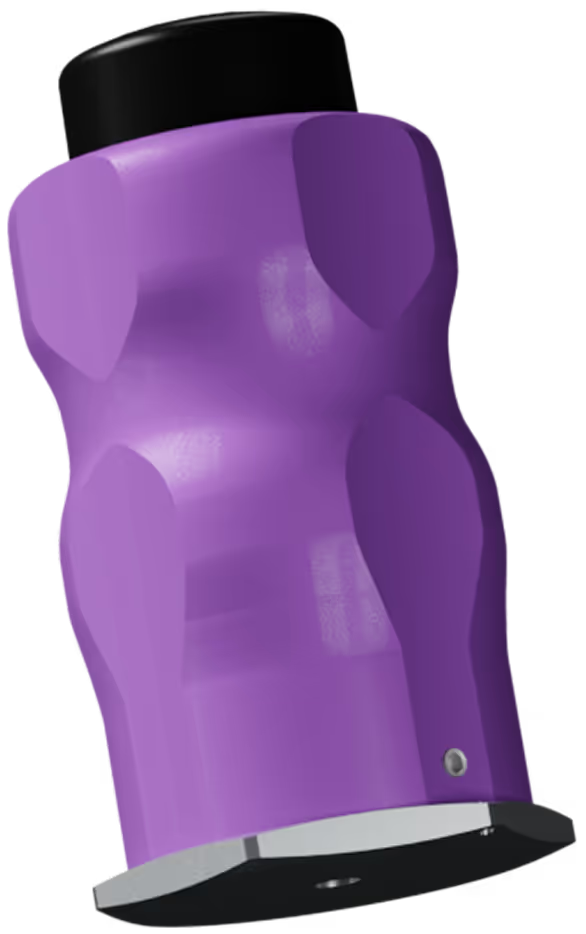
Valve position
The SENSAiO Valve Position Sensor provides real-time open/close feedback for manual and automated valves in oil & gas, chemical, and hydrogen operations.
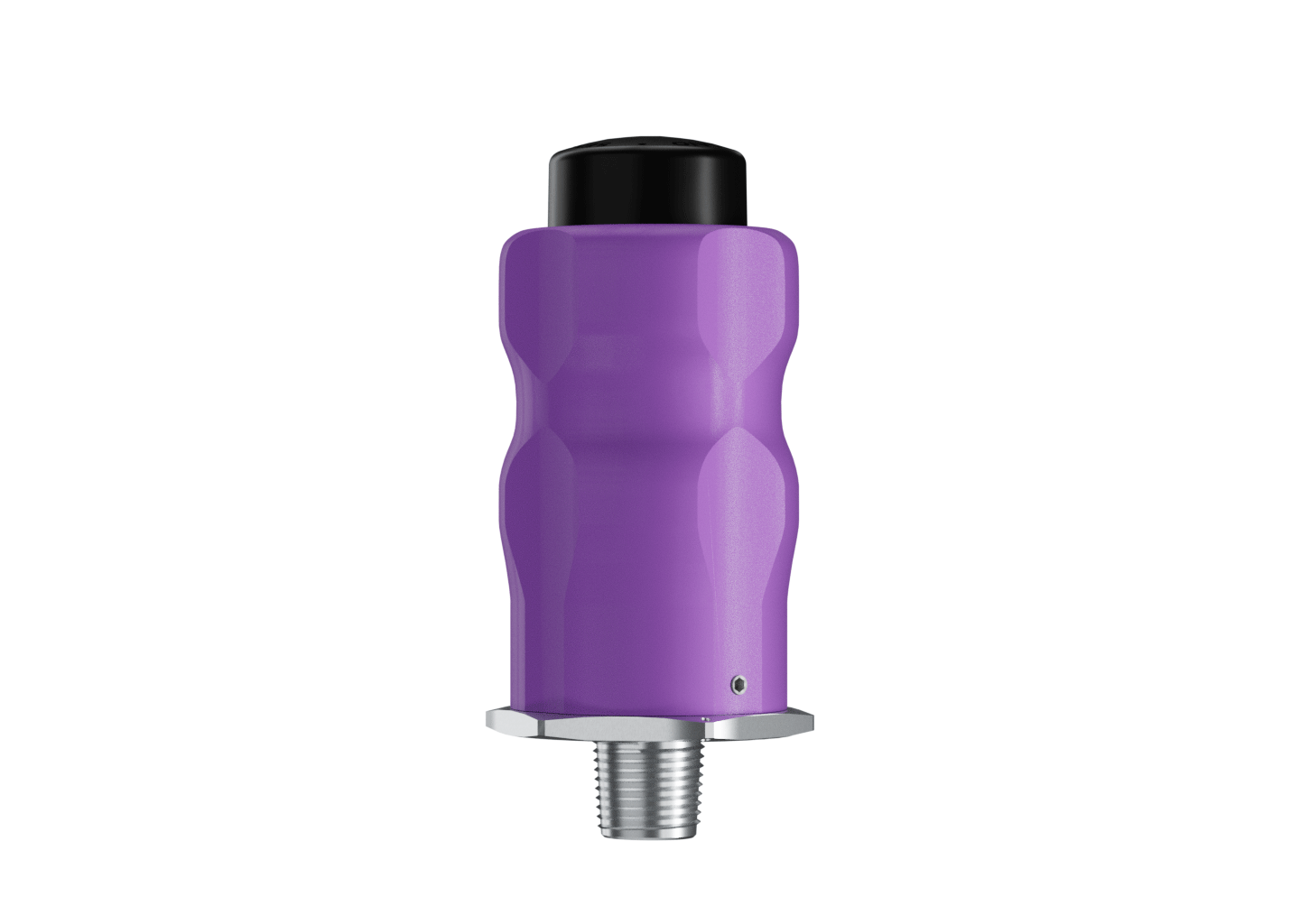
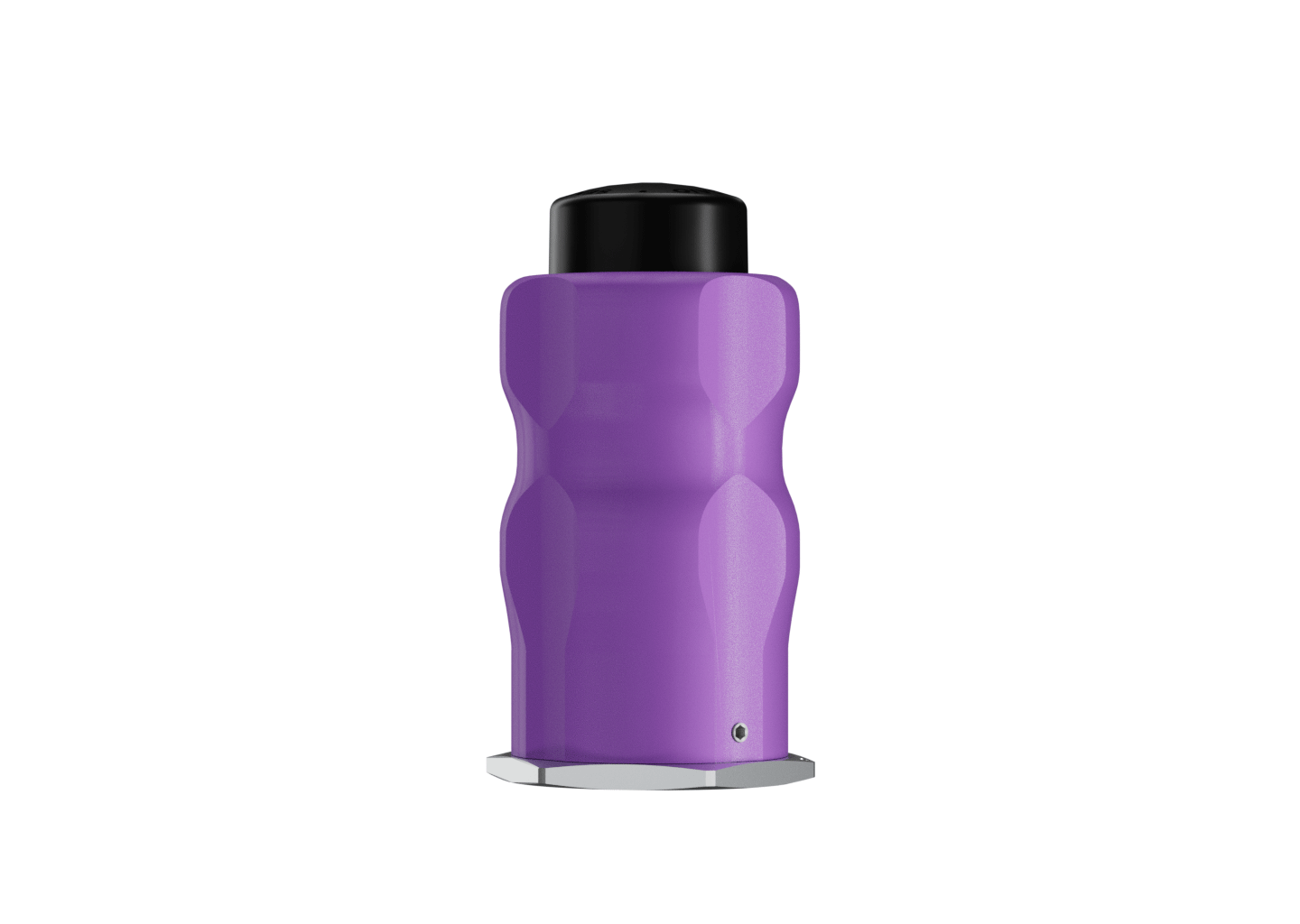
Pressure
A rugged, industrial-grade pressure sensor designed for high-demand oil & gas applications. Provides continuous gas and liquid pressure monitoring, with ATEX intrinsic safety, IP67 housing, and LoRaWAN® connectivity.
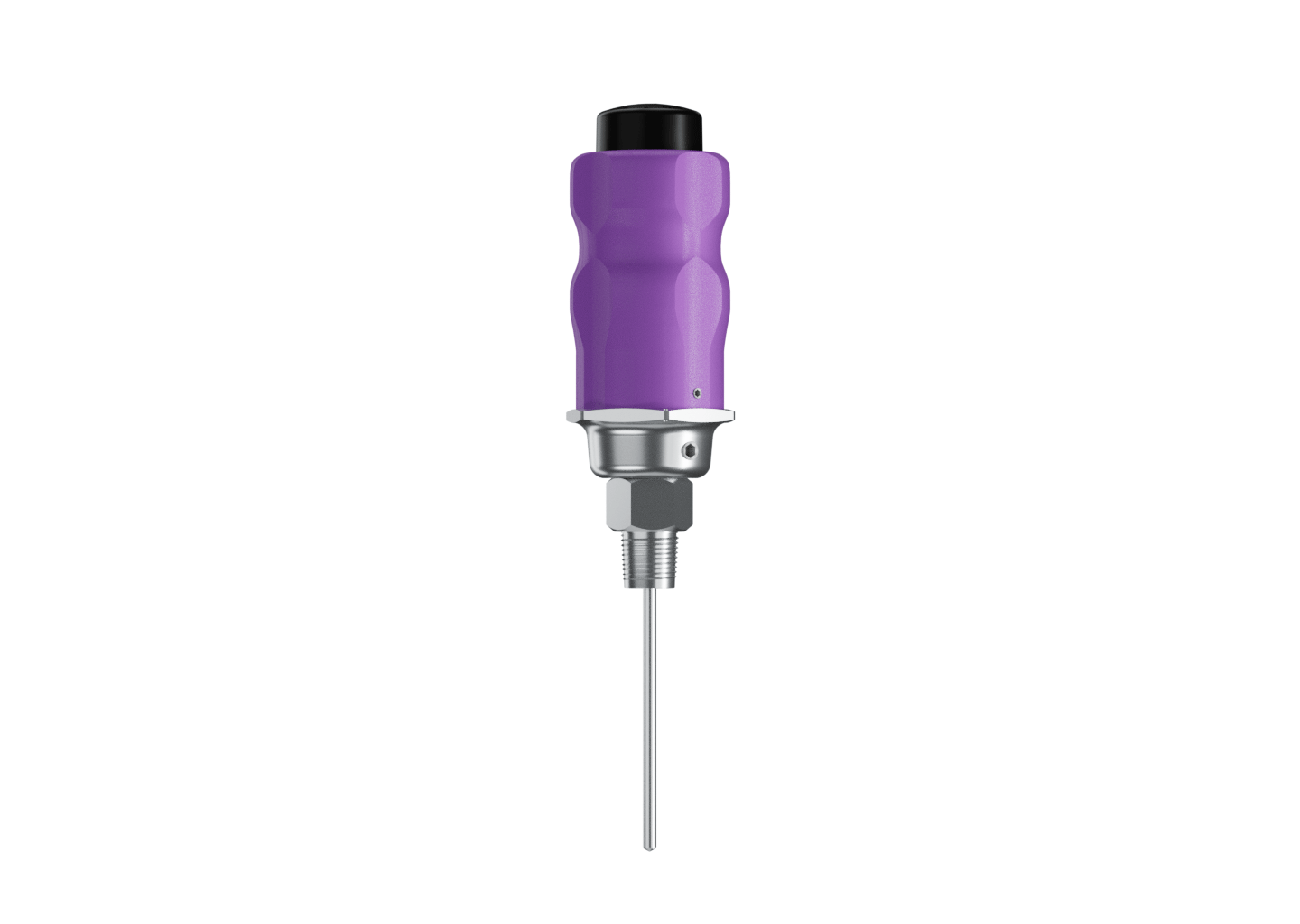
Temperature
SENSAiO’s temperature sensor delivers precise temperature data for process lines, steam systems, heat exchangers, and storage assets.
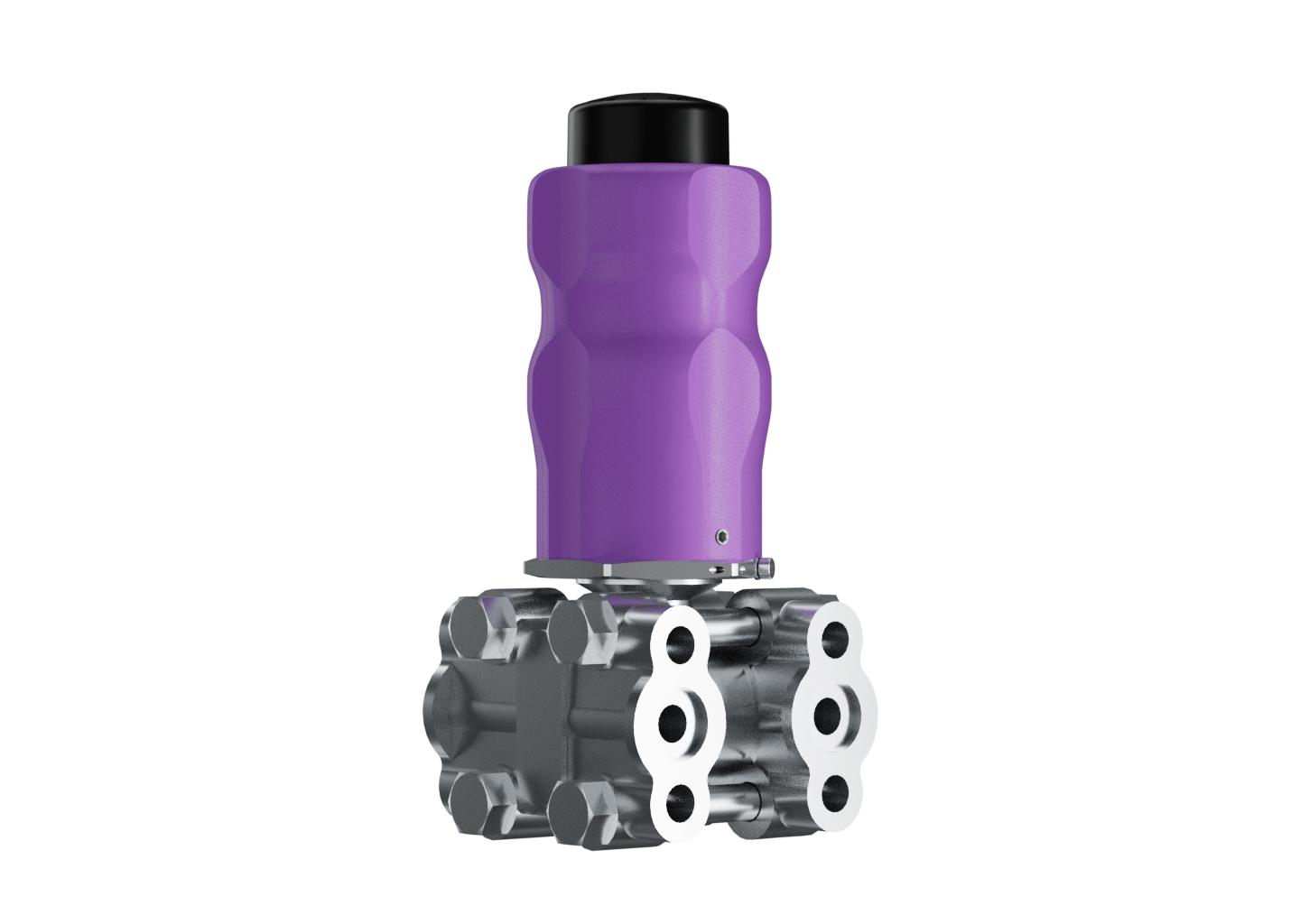
Differential Pressure (ΔP)
A compact DP solution using dual synchronized pressure inputs to deliver accurate differential pressure data for filters, heat exchangers, separators, and manifolds.
Vibration
A high-resolution vibration sensor built for predictive maintenance of pumps, motors, compressors, and rotating equipment.
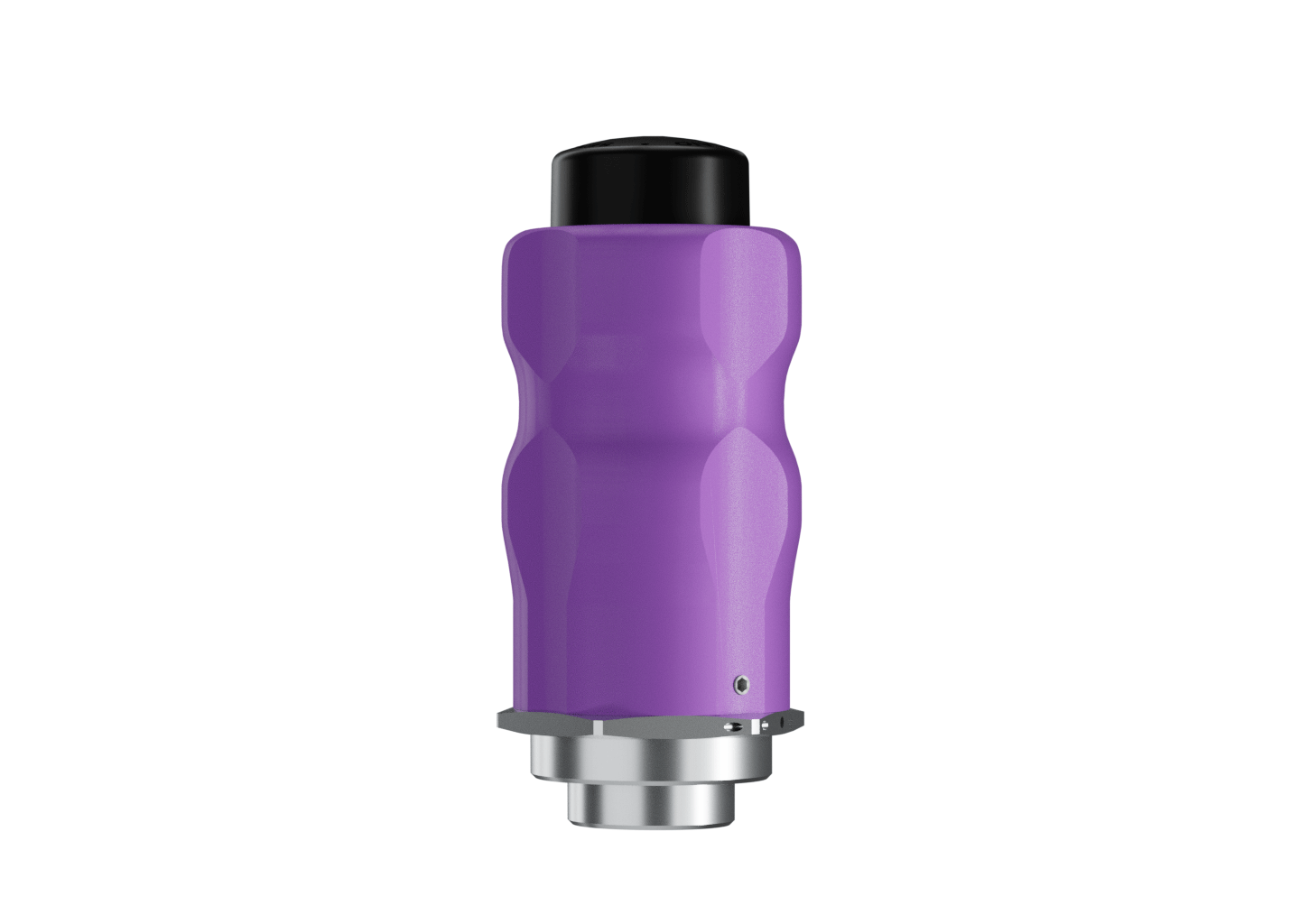
Acoustic
The SENSAiO acoustic sensor identifies ultrasonic leak signatures, gas escape, steam trap failures, and flare noise anomalies.
Trusted by a Worldwide Network
With partners in over 20 countries, SENSAiO delivers rugged sensor solutions to the toughest environments — everywhere.


