
Yes, they connect to any LoRaWAN or MQTT infrastructure (Kerlink, Cisco, Milesight, MultiTech, etc.) for flexible integration with existing SCADA systems.
Pneumatic Fender Pressure Monitoring (ISO 17357)
Structural condition monitoring for marine terminals
Pressure
Quick Overview
| Problem | Pneumatic fenders rely on internal air pressure to absorb berthing energy, but pressure is often checked manually and intermittently. |
| Solution | SENSAiO pressure sensors continuously monitor internal fender pressure to track performance and detect deviations. |
| Value | Improved visibility on fender condition, supporting safer berthing operations and maintenance planning. |
| ATEX | Typically non-ATEX application; ATEX versions available if installed in classified port areas. |
The Operational Challenge
Pneumatic fenders are widely used in marine terminals to absorb the kinetic energy of vessels during berthing operations.
Their performance is directly linked to internal air pressure. The energy absorption capacity of a fender depends on maintaining pressure within a defined range.
Over time, several phenomena may affect this pressure:
- Slow air leakage through valves or micro-defects
- Temperature variations affecting internal pressure (ideal gas behavior)
- Mechanical fatigue or surface degradation
- Improper inflation during maintenance
If pressure drops below the specified range, the fender becomes less effective at absorbing impact energy. Conversely, excessive pressure may increase stiffness, reducing its ability to deform and absorb loads.
In many ports, pressure checks are performed manually using periodic inspections.
This creates operational limitations:
- No continuous visibility between inspections
- Undetected gradual pressure loss
- Inconsistent maintenance intervals
- Limited traceability of pressure evolution over time
Why Continuous Pressure Monitoring Matters
Internal pressure is the primary physical parameter governing pneumatic fender performance.
Continuous monitoring enables:
- Tracking of gradual pressure decay over time
- Detection of deviations from expected pressure ranges
- Correlation between pressure variations and environmental conditions (temperature, usage frequency)
- Verification that fenders remain within operational specifications
Pressure behavior can be interpreted as follows:
- A slow pressure decrease may indicate progressive leakage
- A sudden drop may correlate with valve issues or structural damage
- Pressure fluctuations may be linked to temperature changes or repeated compression cycles
Monitoring does not directly measure structural integrity, but pressure trends provide indirect indicators of fender condition.
SENSAiO Solution
SENSAiO deploys wireless pressure sensors installed on pneumatic fenders, typically at the inflation valve interface.
These sensors continuously measure internal pressure and transmit data via LoRaWAN to a centralized monitoring platform.
The system provides:
- Real-time pressure visibility across all monitored fenders
- Historical pressure trends for condition tracking
- Alerts based on deviation from predefined pressure thresholds
It is important to clarify that:
- SENSAiO is a monitoring-only system
- It does not regulate or adjust fender pressure
- It does not replace inspection or certification procedures
- It does not assess structural integrity directly
The system supports maintenance and operational awareness by providing reliable pressure data.
Results and ROI
ATEX Compliance and Safety
Pneumatic fenders are generally installed in open marine environments where ATEX classification is not always required. However, in certain terminals handling flammable products, hazardous area classification may apply. SENSAiO sensors:

- Are available in ATEX / IECEx compliant versions for Zone 1–2
- Can be deployed in classified port areas when required
- Are designed for outdoor marine environments (humidity, salt exposure)
All installations must follow applicable regulations and site-specific safety requirements.
SENSAiO systems are not safety devices and do not replace operational procedures related to berthing safety.
Integration and compatibility
| Protocols | LoRaWAN, MQTT, REST API |
| Gateways | Compatible with standard LoRaWAN gateways (Kerlink, Multitech, Cisco, etc.) |
| Systems | Integration with port management systems and monitoring platforms |
| Deployment | Rapid installation on existing fenders; suitable for large-scale port deployments |
FAQ - Common Questions
Are Sensa.io sensors compatible with any gateway or network?
What ATEX certifications apply to Sensa.io devices?
All hazardous-area models are certified Ex II 2 G Ex ia IIC T4 Gb and IECEx approved for Zones 0–2.
What is the typical battery life?
Up to 10 years at 15-minute intervals, depending on signal strength and environment.
How are the sensors integrated into existing systems?
Through standard protocols — LoRaWAN, Modbus, MQTT, REST API — no proprietary middleware needed.
How does predictive maintenance reduce OPEX?
Early anomaly detection reduces emergency interventions by 30–40 %, extends equipment life and lowers energy costs.
What does the Sensa.io Valve Position Sensor actually measure?
The device detects real-time valve position states—open, closed, or intermediate—with high accuracy. It continuously sends this information wirelessly to your monitoring dashboard.
Can this sensor detect partial valve movement or stuck valves?
Yes. The sensor identifies irregular patterns such as partial movement, delayed response, or stuck valves, enabling early maintenance before failure occurs.
Is this sensor suitable for manual, motorized, and actuated valves?
Yes. It supports a wide range of valve types including ball, gate, butterfly, actuator-driven, and manual valves.
How fast does it update the valve position?
You can configure the reporting interval—from seconds to minutes—depending on your operational and battery needs.
How long does installation take?
Most installations take under 10 minutes. The sensor mounts using brackets or clamps without modifying existing valves.
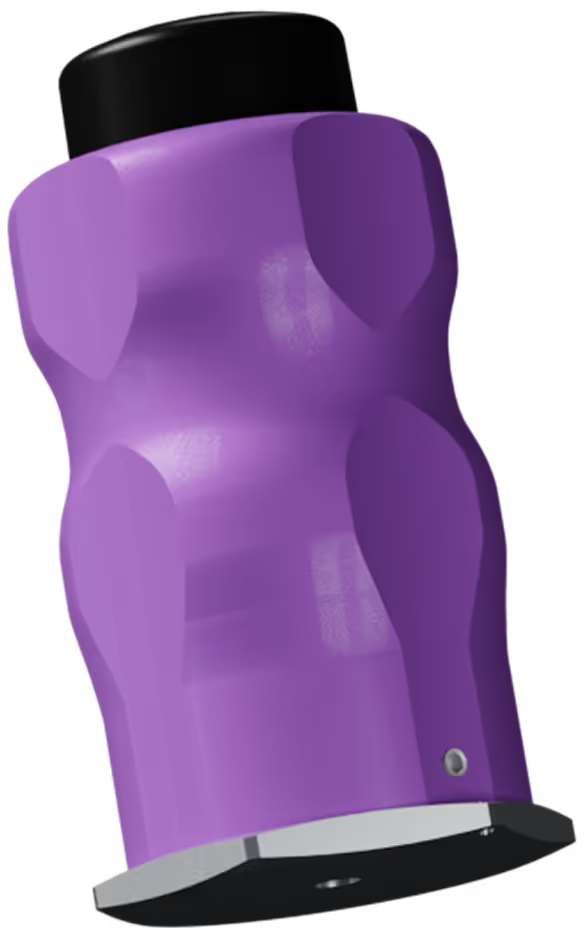
Explore Our Sensors
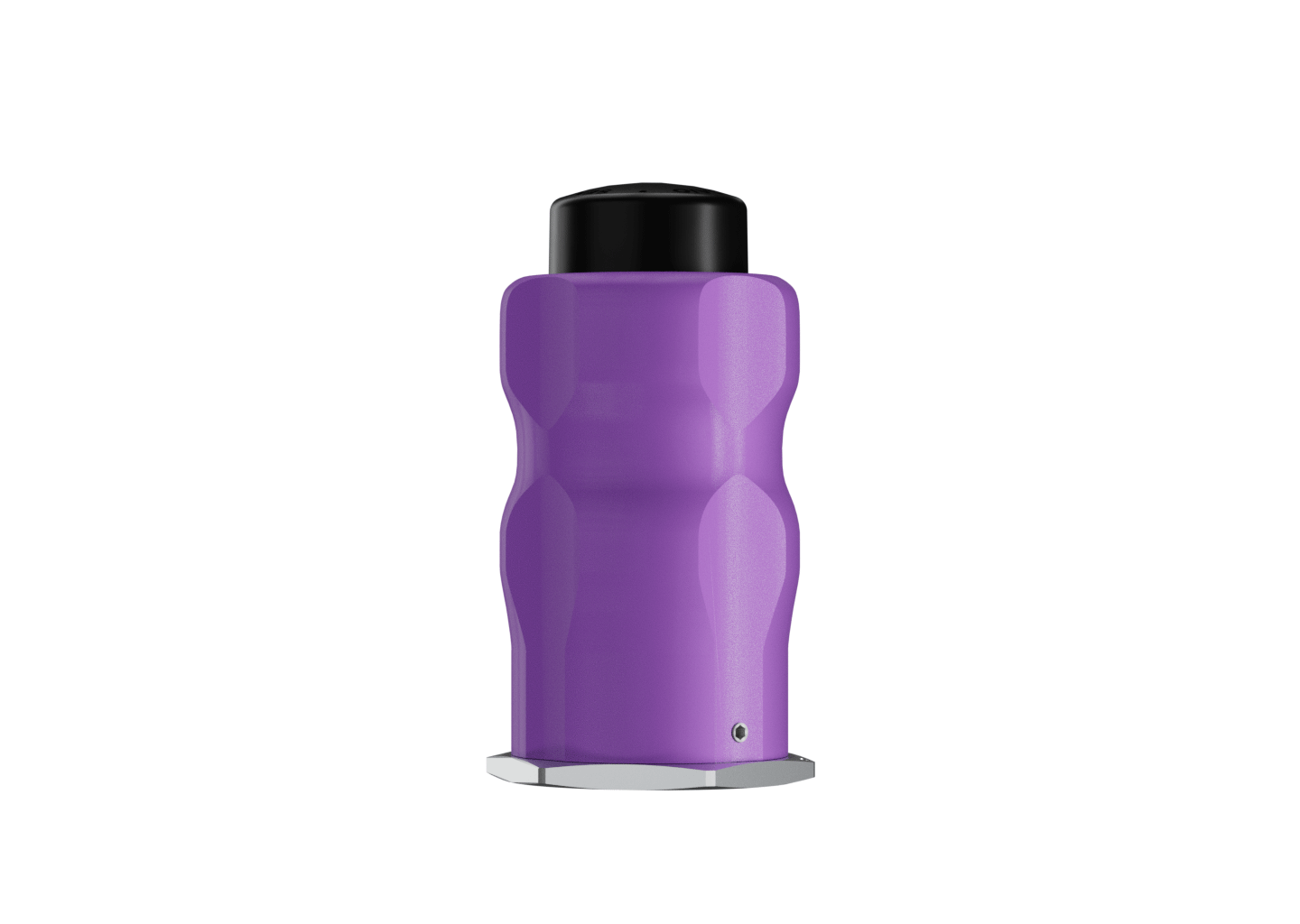
Valve position
The SENSAiO Valve Position Sensor provides real-time open/close feedback for manual and automated valves in oil & gas, chemical, and hydrogen operations.
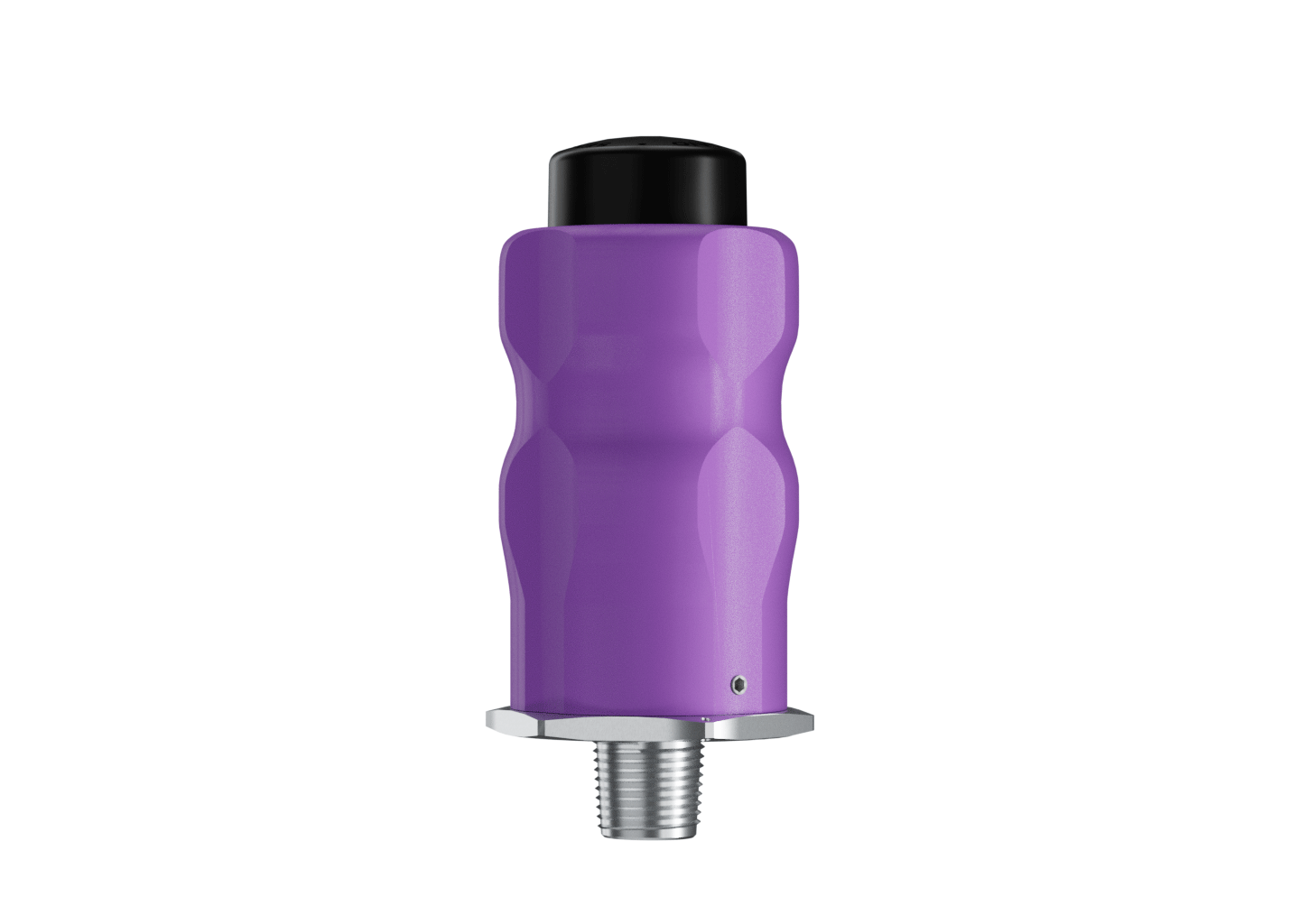
Pressure
A rugged, industrial-grade pressure sensor designed for high-demand oil & gas applications. Provides continuous gas and liquid pressure monitoring, with ATEX intrinsic safety, IP67 housing, and LoRaWAN® connectivity.
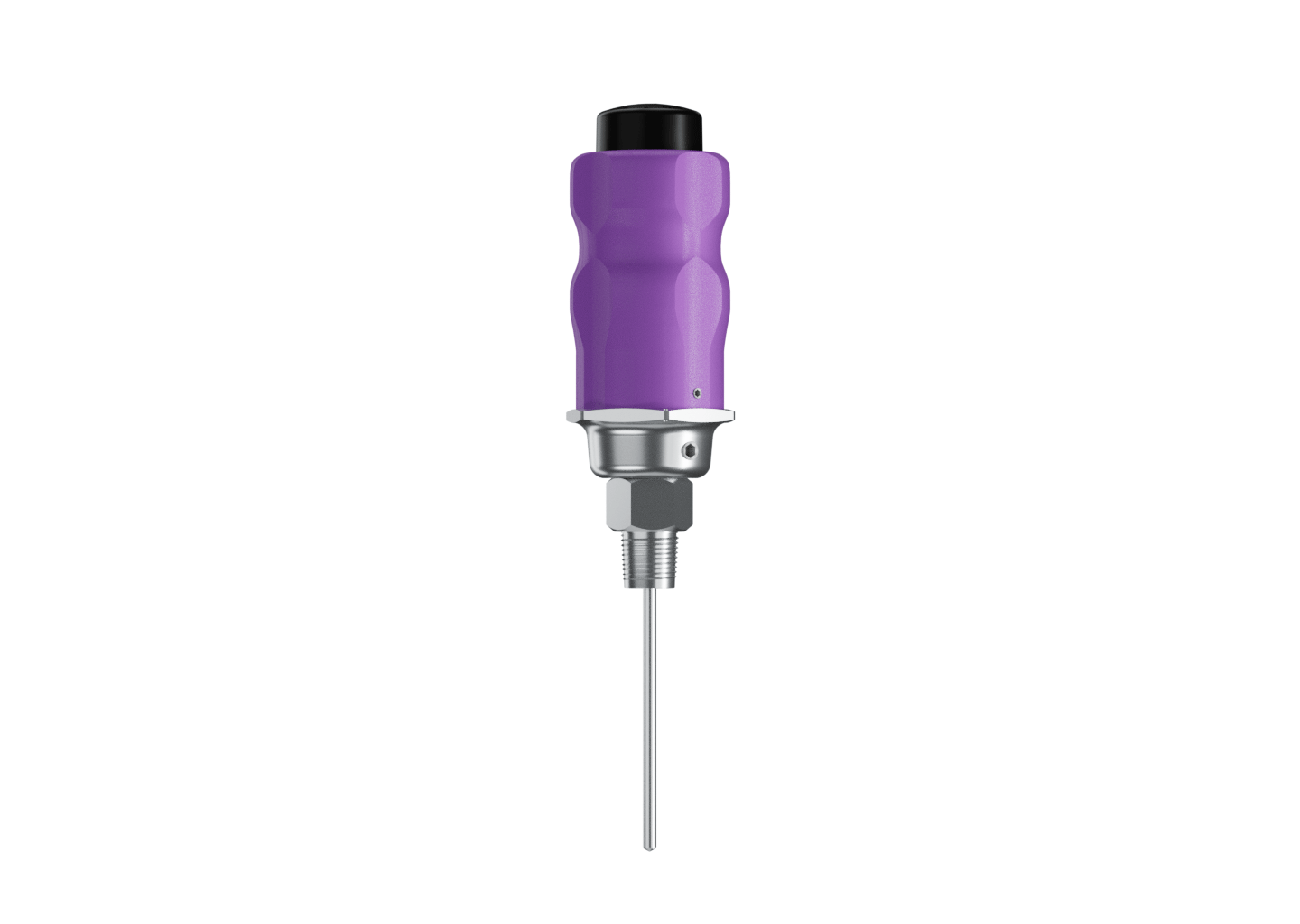
Temperature
SENSAiO’s temperature sensor delivers precise temperature data for process lines, steam systems, heat exchangers, and storage assets.
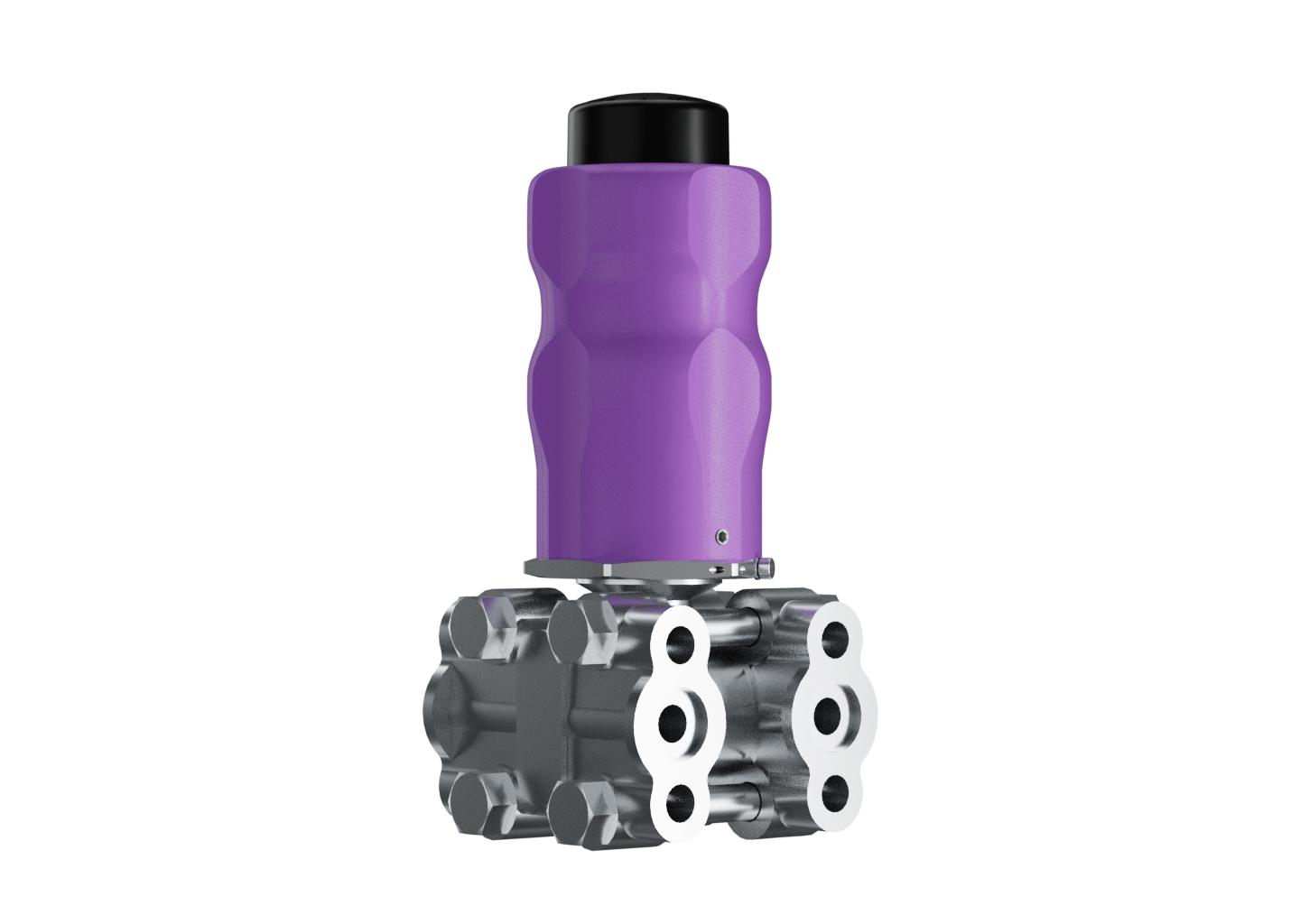
Differential Pressure (ΔP)
A compact DP solution using dual synchronized pressure inputs to deliver accurate differential pressure data for filters, heat exchangers, separators, and manifolds.
Vibration
A high-resolution vibration sensor built for predictive maintenance of pumps, motors, compressors, and rotating equipment.
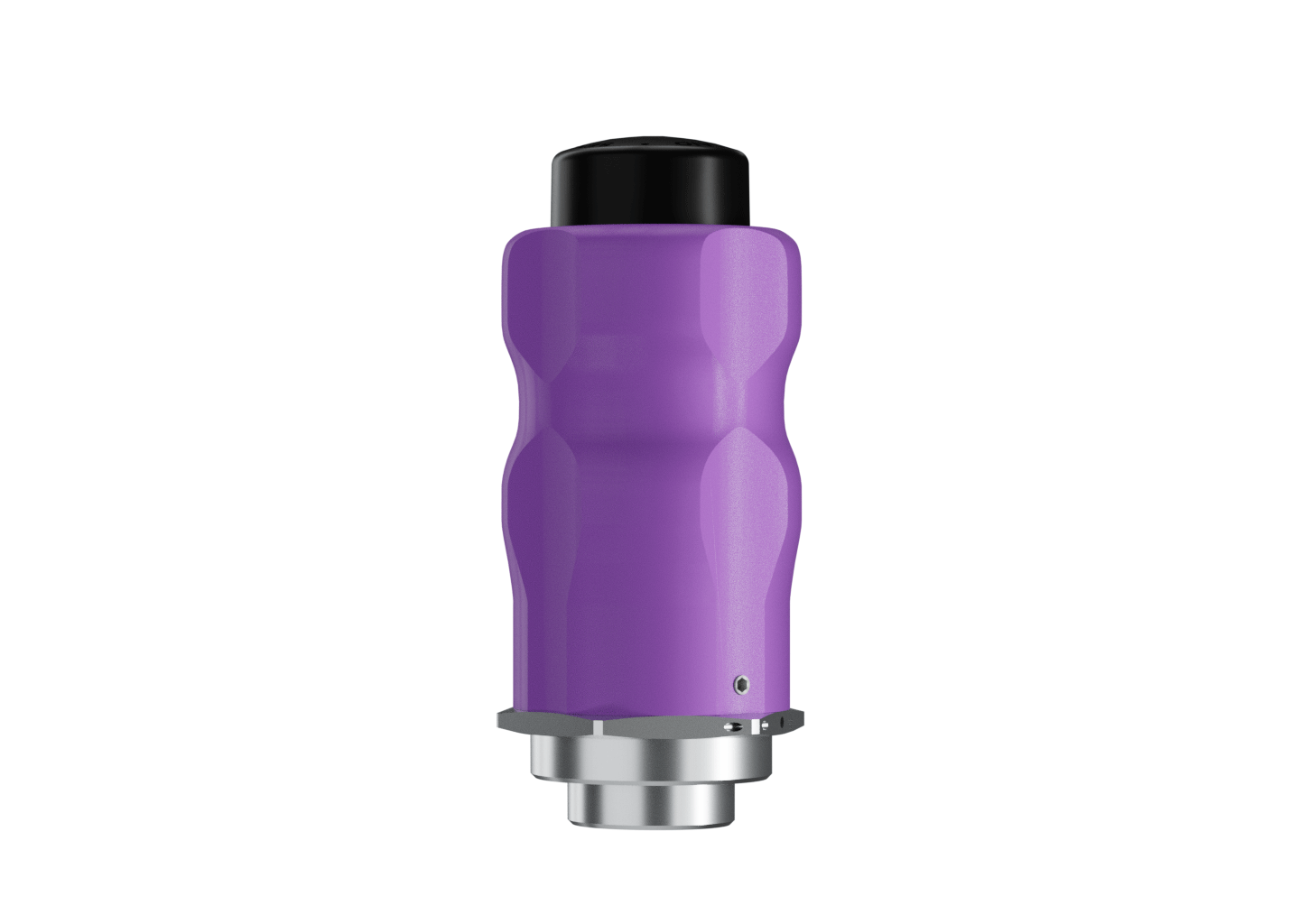
Acoustic
The SENSAiO acoustic sensor identifies ultrasonic leak signatures, gas escape, steam trap failures, and flare noise anomalies.
Trusted by a Worldwide Network
With partners in over 20 countries, SENSAiO delivers rugged sensor solutions to the toughest environments — everywhere.


